

Most dental problems do not begin with pain. They start quietly. A small crack in a tooth. A cavity forming between teeth. A bite that slowly shifts out of alignment. By the time discomfort appears, the issue has often been there for months.
That is exactly why dental hygiene examinations matter.
A proper dental hygiene examination looks beyond the surface of your teeth. It focuses on early detection, prevention, and careful assessment of your overall oral health. Instead of waiting for problems to become serious, these examinations help identify concerns early while they are still simple to manage.
Regular dental hygiene examinations are one of the most effective ways to protect long term oral health. They provide clarity about what is happening inside your mouth and allow potential problems to be addressed before they turn into larger treatments.
What Happens During a Dental Hygiene Examination
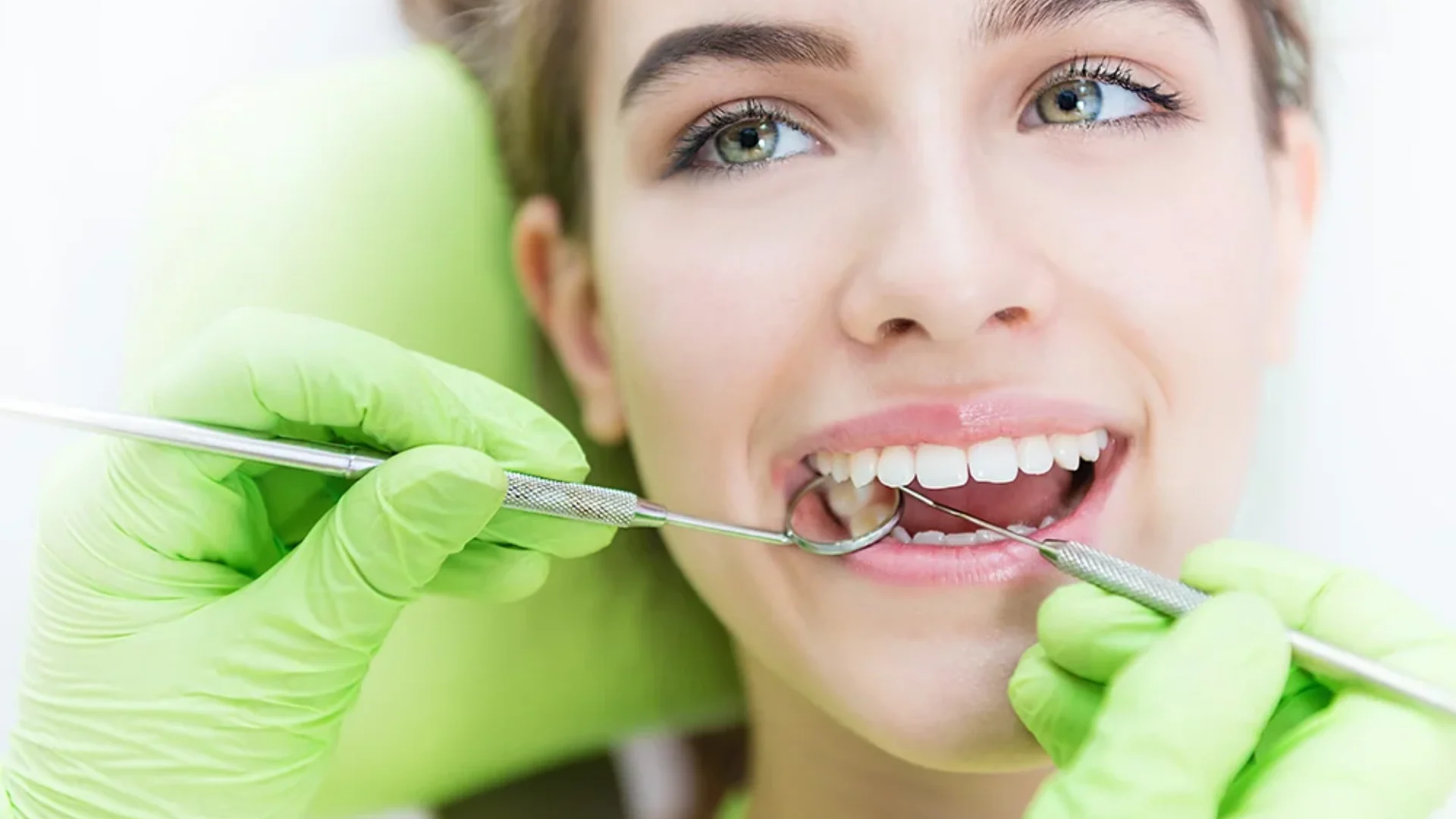
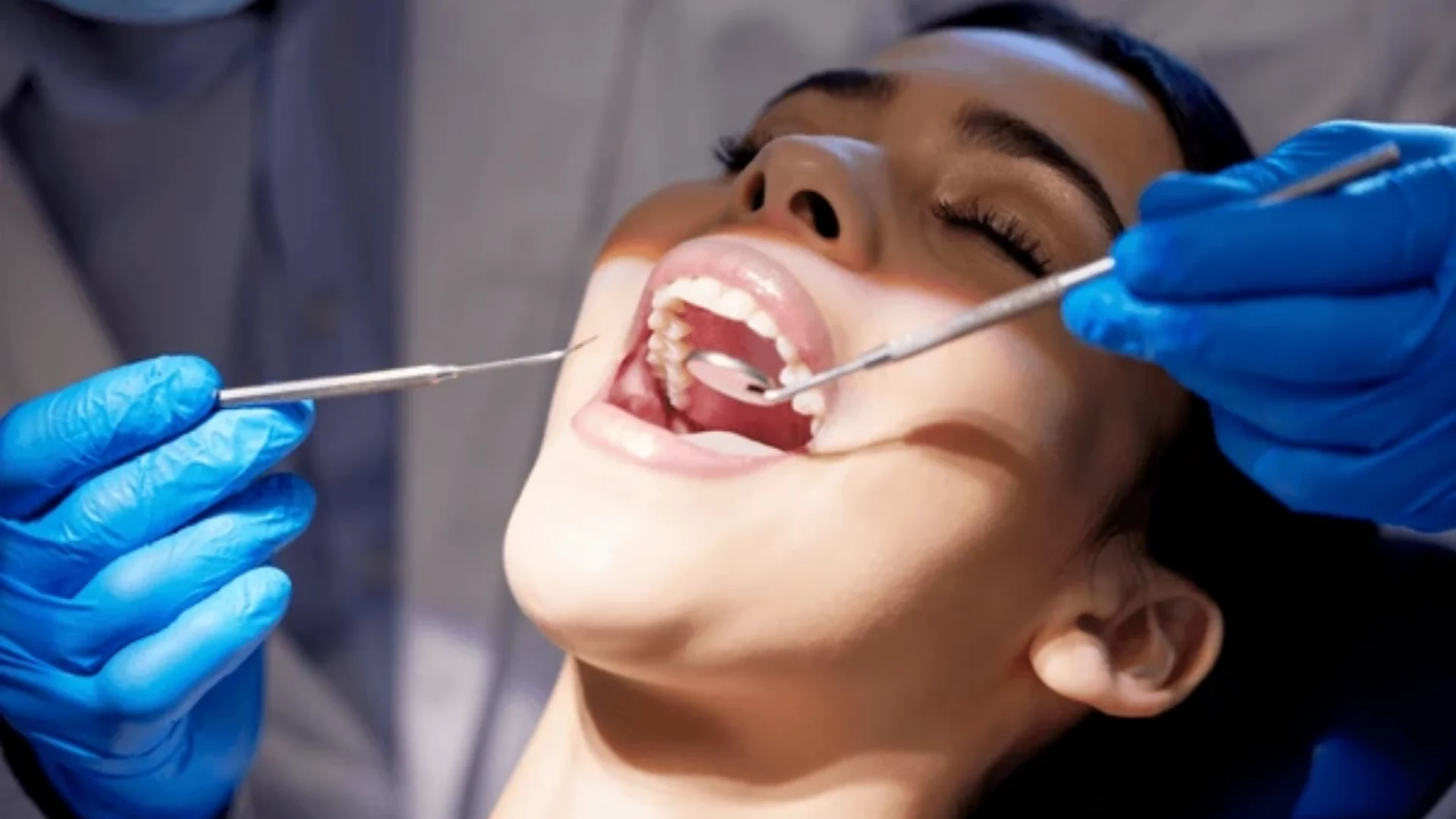
Many people assume a dental visit only involves cleaning. In reality, a dental hygiene examination is a detailed evaluation of your teeth, gums, and bite. The goal is to identify any signs of damage, wear, or disease before they progress.
During the examination, the dental hygienist carefully checks for several important indicators of oral health. Each part of the evaluation helps build a clearer picture of how your teeth and gums are functioning.
A dental hygiene examination typically includes checking for:
- Cavities forming on or between teeth
- Chips or cracks that may weaken tooth structure
- Large or aging fillings that may require attention
- Bite alignment issues that affect how teeth meet
- Early signs of gum irritation or inflammation
These observations allow dental professionals to identify potential concerns early and recommend appropriate next steps.
Identifying Cavities Before They Become Serious
Cavities rarely appear overnight. They develop gradually as bacteria break down tooth enamel over time. In the early stages, many cavities cause no pain at all.
Dental hygiene examinations help detect these early signs before the cavity grows larger. Small cavities are much easier to treat and often require minimal dental work. Identifying them early prevents deeper decay that may eventually require more complex procedures.
Routine examinations provide the opportunity to monitor areas that may be vulnerable to decay and guide patients on how to improve their daily oral hygiene habits.
Detecting Chips, Cracks, and Tooth Wear
Teeth experience daily pressure from chewing, grinding, and biting. Over time, this pressure can lead to small fractures or chips that are not immediately noticeable.
During a dental hygiene examination, each tooth is inspected for structural damage. Small cracks may seem minor, but they can weaken the tooth and eventually lead to larger fractures if left untreated.
Identifying these issues early allows patients to take preventive steps before the damage worsens. It also helps maintain the natural strength and appearance of the tooth.
Examining Large Fillings and Existing Dental Work
Fillings are designed to restore teeth after cavities, but they do not last forever. Over time, fillings can wear down, loosen, or develop small gaps where bacteria may enter.
A dental hygiene examination includes reviewing existing dental work to ensure it continues to function properly. Large fillings in particular need careful monitoring because they support a significant portion of the tooth structure.
By evaluating the condition of these restorations during routine visits, potential problems can be identified before they lead to new decay or tooth damage.
Bite Analysis and Jaw Alignment
Your bite plays a major role in long term oral health. When teeth do not align properly, certain areas may experience excessive pressure while others receive very little contact.
This uneven distribution of pressure can contribute to tooth wear, jaw discomfort, and even small fractures over time.
A bite analysis during a dental hygiene examination helps determine how the upper and lower teeth come together. Identifying bite issues early allows dental professionals to recommend solutions that reduce strain on the teeth and jaw.
Understanding bite patterns also helps explain symptoms such as tooth sensitivity, grinding, or uneven wear.
Referrals to Trusted Local Dentists When Needed
Dental hygiene examinations are focused on prevention and early detection. When a concern requires further treatment, referrals to trusted local dentists ensure that patients receive the care they need.
Having a reliable referral network allows patients to move forward with treatment confidently. Instead of searching for a dentist independently, they are connected with experienced professionals who can address the specific issue identified during the examination.
Referrals may be recommended for treatments such as cavity restorations, repairing cracked teeth, replacing large fillings, or addressing bite related concerns.
This collaborative approach ensures that patients receive comprehensive dental care without unnecessary delays.
Why Regular Dental Hygiene Examinations Matter
Many dental conditions progress quietly in the early stages. Cavities, cracks, and bite changes often develop slowly and without noticeable symptoms.
Regular dental hygiene examinations help detect these changes early, when they are easiest to manage. Early detection reduces the risk of complex procedures and helps preserve the natural structure of the teeth.
Patients who maintain consistent examinations benefit from clearer insight into their oral health and stronger long term prevention.
A dental hygiene examination is not just a routine check. It is an essential step in protecting your teeth, maintaining healthy gums, and ensuring that small issues never grow into larger problems.